
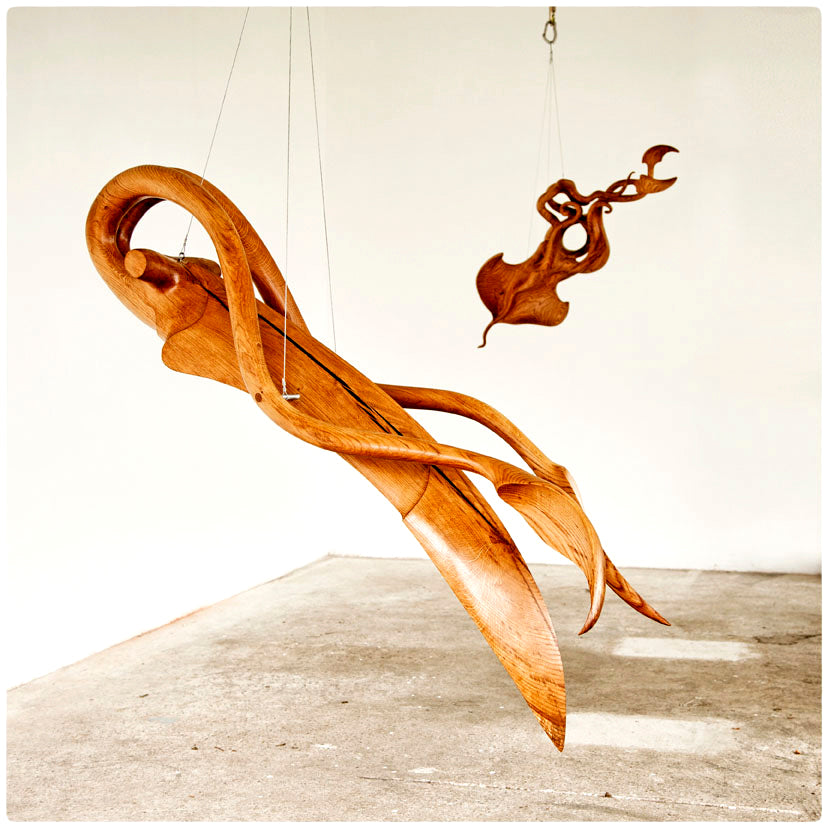
Calmar & Octolus
The radio programme was interrupted:
“Attention, attention. An urgent announcement. Earlier today, time escaped from its prison. Please keep all windows and doors closed to prevent the escaped time from entering.
There is a danger that your own time may be captured as well — and escape with it.”
-
The announcement caused panic among most people, who had no idea how they were supposed to live their lives without time. In fact, the outbreak of public time spread with incredible speed, almost like a nuclear chain reaction. Even keeping windows and doors firmly shut did not help. Before long, private time had disappeared as well.
Suddenly, everything became arbitrary. Every moment was interchangeable and could be repeated countless times. The familiar uniqueness of lived experience was gone.
-
It was particularly painful to discover that, together with time, rhythm had also been lost. Sounds drifted back and forth without any sense of order. Notes rose and fell, no longer knowing when their time had come.
Despair followed — hardly surprising. The familiar species of animals became bewildered as well. Even the plants let their heads droop.
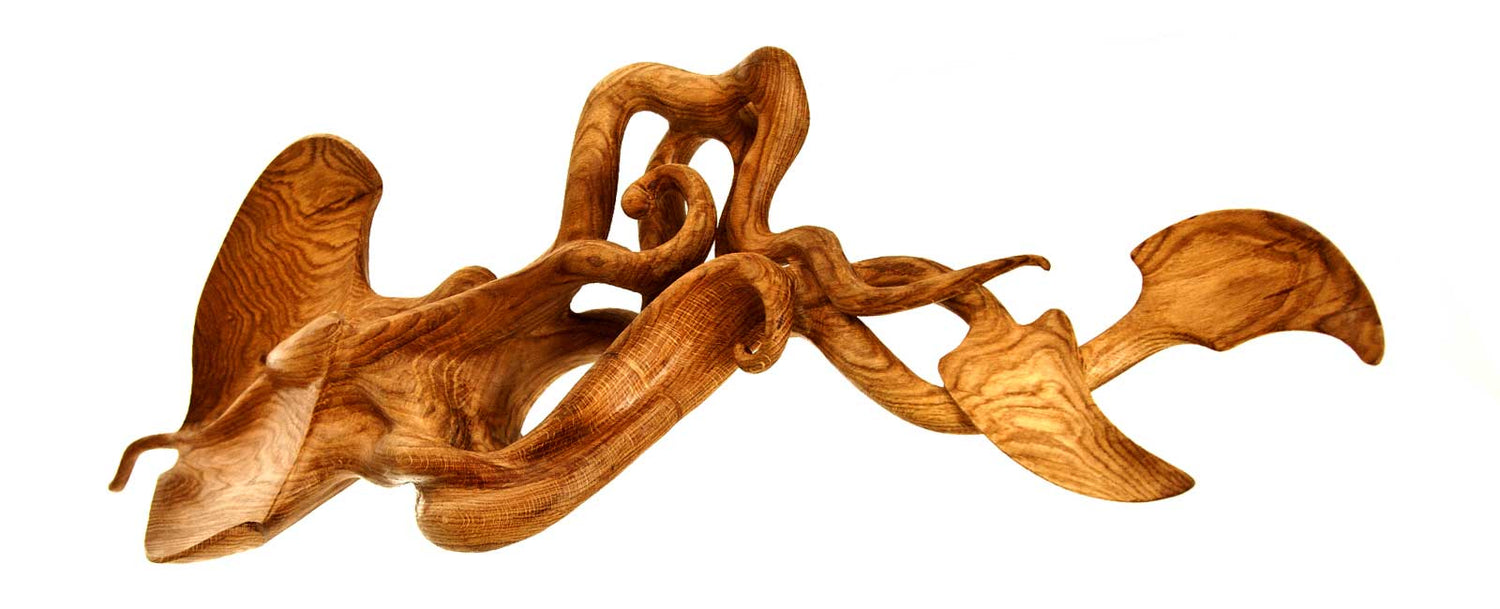
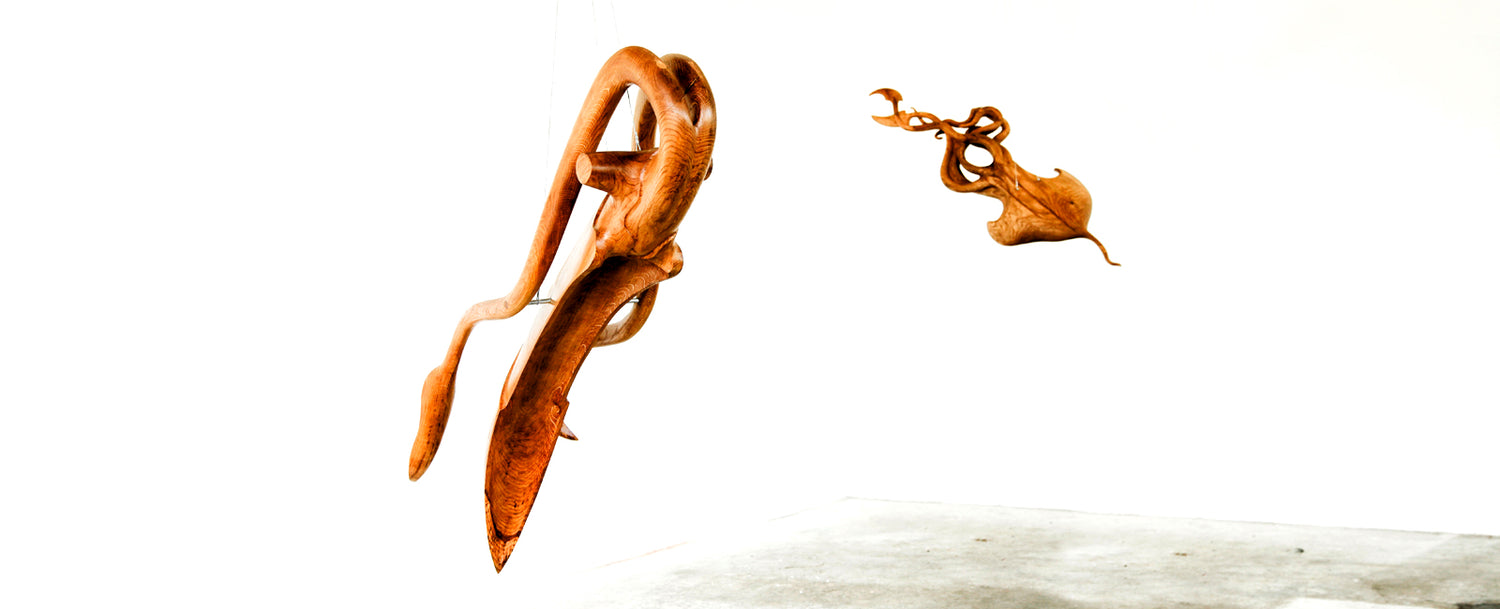
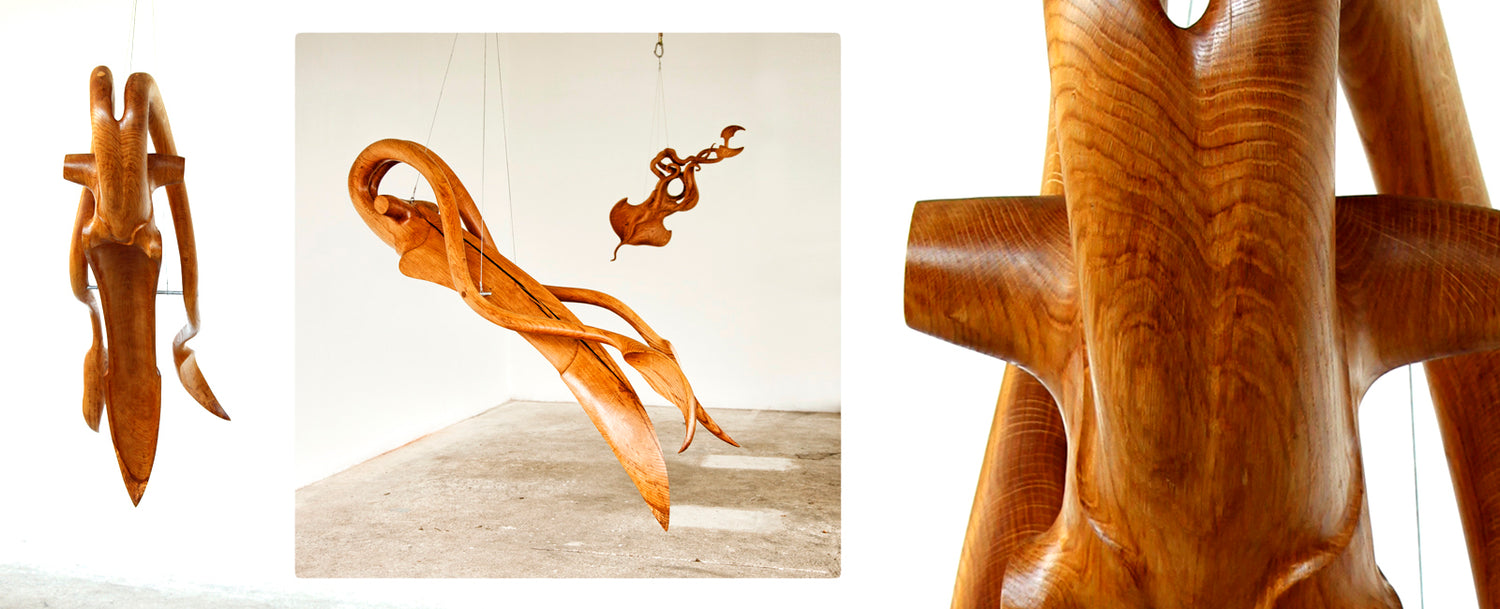
But suddenly, creatures appeared unlike any animals ever seen before. They carried themselves with great dignity, every movement of their powerful yet elegant bodies poised and composed.
-
At first glance, they might have been a cross between ants and a tiger, or between a mole and an elephant. Or perhaps they resembled a pumpkin-eating grasshopper dreaming of becoming an octopus.
These magical creatures remained untouched by the absence of captive time. Every movement had rhythm, and their song moved effortlessly through every register; every step remained grounded, even amid the roll of drums.
-
How was this possible? Their secret remained undiscovered for a long time — and, of course, remains so to this day. Gradually, however, it became apparent that these wondrous creatures liked to wear icicles in winter, much like Parisian lace adorning remarkable dresses.
The events surrounding the formation of the icicles were probably closely connected to these creatures’ sense of security in time — beings who remained equally at ease with eruptions and collapses, and with freedom itself.
Friedrich Schwarzinger